
Public Service Philosophy
I view public service as a fundamentally collaborative and community-driven endeavor. Guided by the principles of the New Public Service, I believe that public administrators have both a professional and ethical duty to help citizens articulate and achieve their shared interests. This means prioritizing participatory processes over predetermined outcomes, ensuring that every policy and program reflects public values and local contexts. Engaging the public in decision-making not only strengthens democratic governance but also enhances innovation, inclusivity, and long-term community well-being.
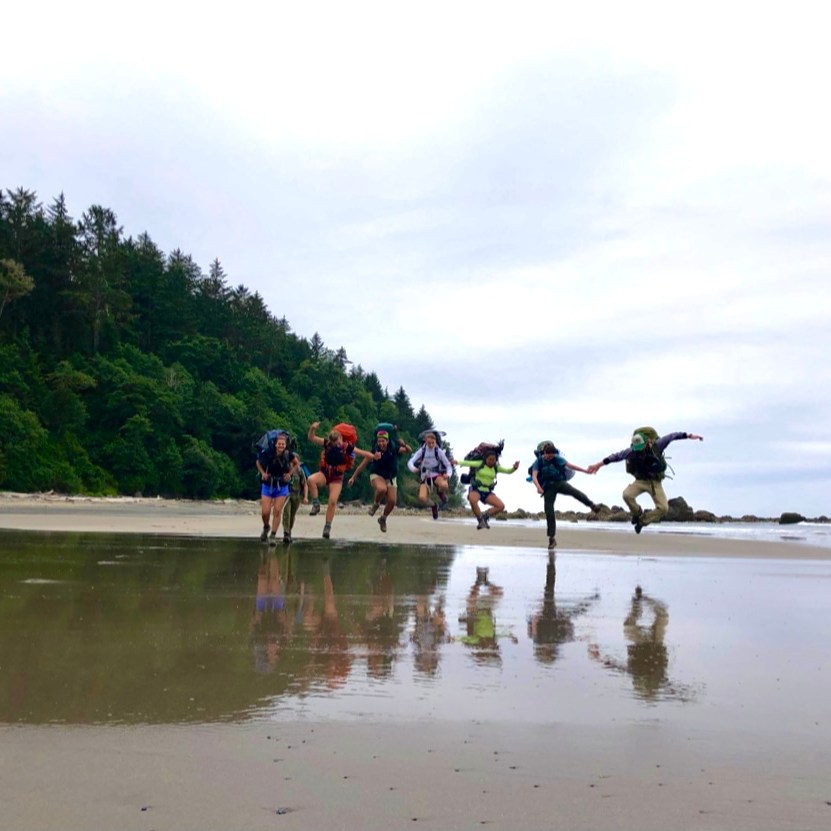
My background in outdoor education first taught me the value of shared leadership. Leading youth expeditions in challenging conditions required balancing safety, morale, and cohesion while encouraging each participant’s growth. I have since carried that same mindset into my graduate and nonprofit work, where I have led research initiatives, supported peer development, and facilitated collective problem-solving. Across all settings, I’ve learned that the best outcomes emerge when people are invited into the process and treated as partners in shaping solutions.
At the core of my public service philosophy is a commitment to serving the community through transparency, communication, and engagement. In a dynamic and diverse environment, effective service delivery requires more than efficiency—it requires active listening. Open channels of communication build trust, strengthen accountability, and ensure that policies and programs reflect the evolving needs and values of the community. Whether working in social services, policy analysis, or community development, I believe in grounding decisions in dialogue and continuous feedback, fostering a continuous cycle of learning and improvement.
Professional Statement
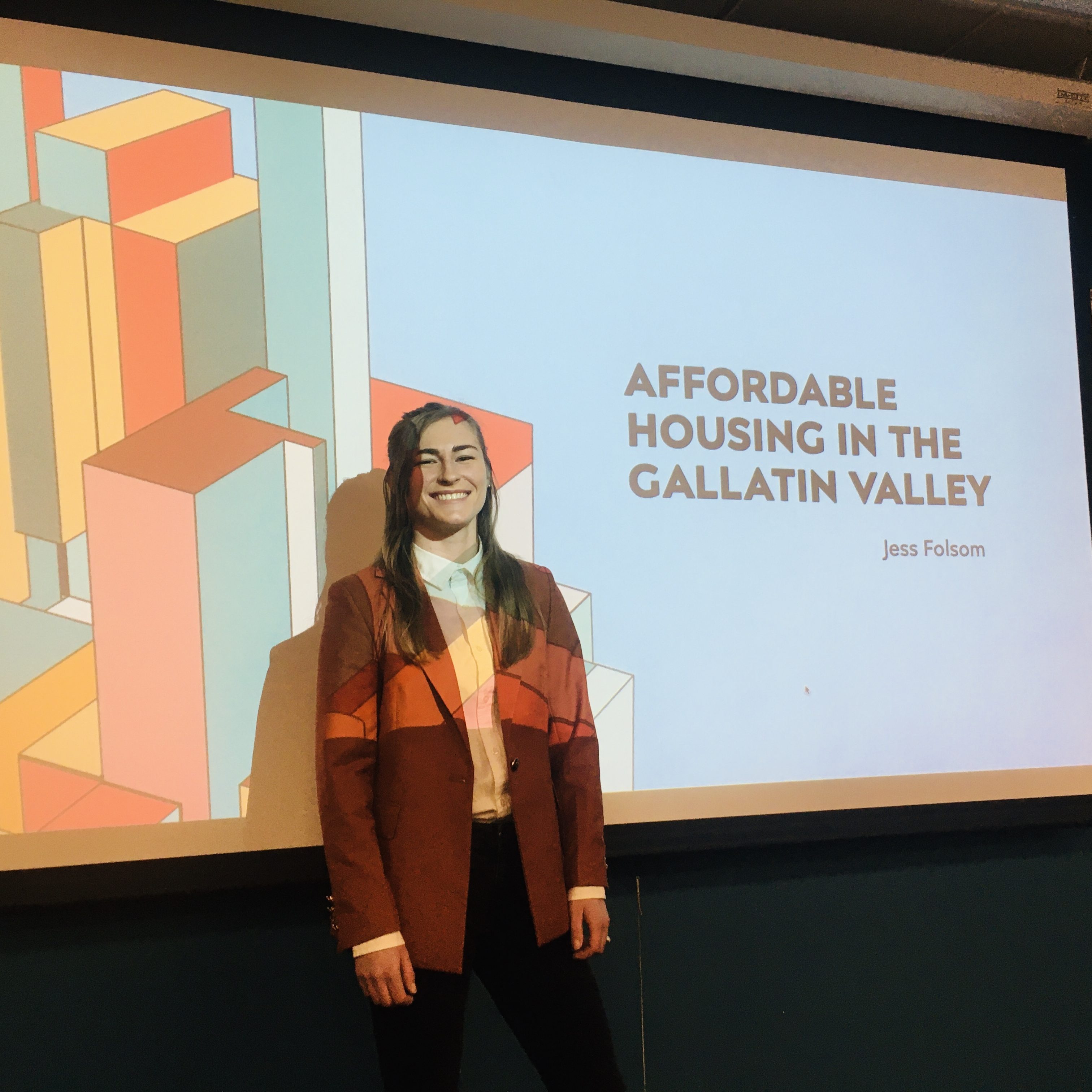
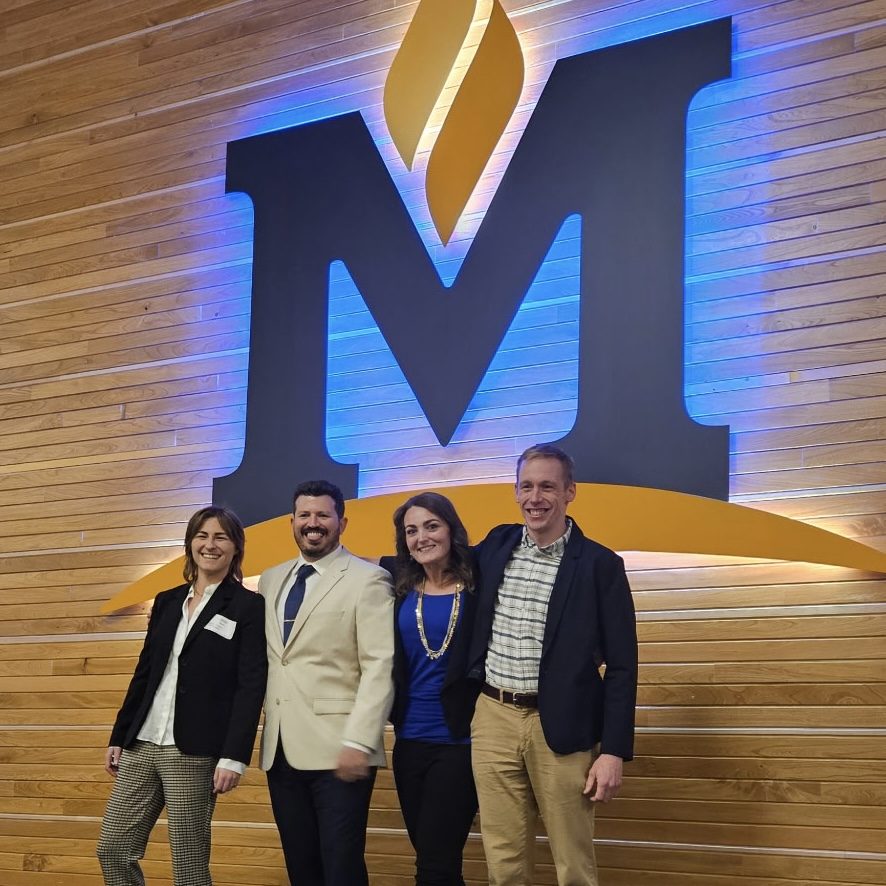
I hold a Master of Public Administration from Montana State University, where my research focused on affordable housing, housing insecurity, and houselessness in Gallatin County, Montana. My work is grounded in a commitment to supporting individuals and families whose incomes cannot keep pace with rising living costs, and my career goal is to partner with community-based organizations to address housing insecurity, reduce stigma, and build sustainable systems of support.
I bring experience in community-based research, nonprofit program support, and years of leadership in hospitality and outdoor education. Skilled in service delivery and program management, I take a results-oriented approach to advancing mission-driven initiatives. What sets me apart is my ability to translate research into actionable, people-centered solutions, drawing on both academic insight and hands-on leadership experience to bridge strategy and implementation for lasting community impact.
In my recent work with Haven, I led qualitative research to support the development of survivor-centered substance-use policies and actionable recommendations rooted in harm reduction and trauma-informed care. This work strengthened my skills in policy analysis, program evaluation, and collaborative problem-solving, while reinforcing the importance of centering lived experience in organizational decision-making.
I deeply value the personal and professional relationships I’ve built with those who share a commitment to equity, social impact, and community-driven solutions. I believe these relationships form the foundation for lasting partnerships and meaningful progress toward sustainable community systems in Gallatin County and beyond.
Diversity Statement
I see diversity, equity, and inclusion as essential to effective public service and human connection alike. Building equitable systems requires not only acknowledging difference but celebrating it—recognizing that the strength of any community lies in the range of voices that compose it. My goal as both a student and a professional is to help create spaces where all individuals feel seen, supported, and empowered to thrive.
My academic journey has deepened my awareness of the inequities that shape access, opportunity, and belonging. As an undergraduate, I studied twentieth-century U.S. political and cultural history through an anthropological lens, which led me to focus on counter-narratives and underrepresented voices often excluded from dominant accounts of history. This work sharpened my understanding of the systemic forces that continue to create disproportionate barriers for marginalized communities. As a graduate student in Public Administration, I have carried these lessons forward by examining how public policy and program design can either reinforce or dismantle these inequities.
Inclusion must be practiced, not simply professed. I believe that meaningful diversity work begins with listening—actively engaging with people whose lived experiences differ from my own and incorporating their perspectives into collective decision-making.
We each carry unique experiences, identities, and stories that shape how we see and move through the world. I am continually inspired by the creativity and originality that each individual mind possesses. This belief underpins my idealism: I have a profound faith in people’s ability to envision ideas that enliven and improve our shared human experience. While every person brings something different to the table, I believe that something truly transformative emerges when diverse perspectives come together to build understanding, innovation, and compassion.
 Jess Folsom Marks